

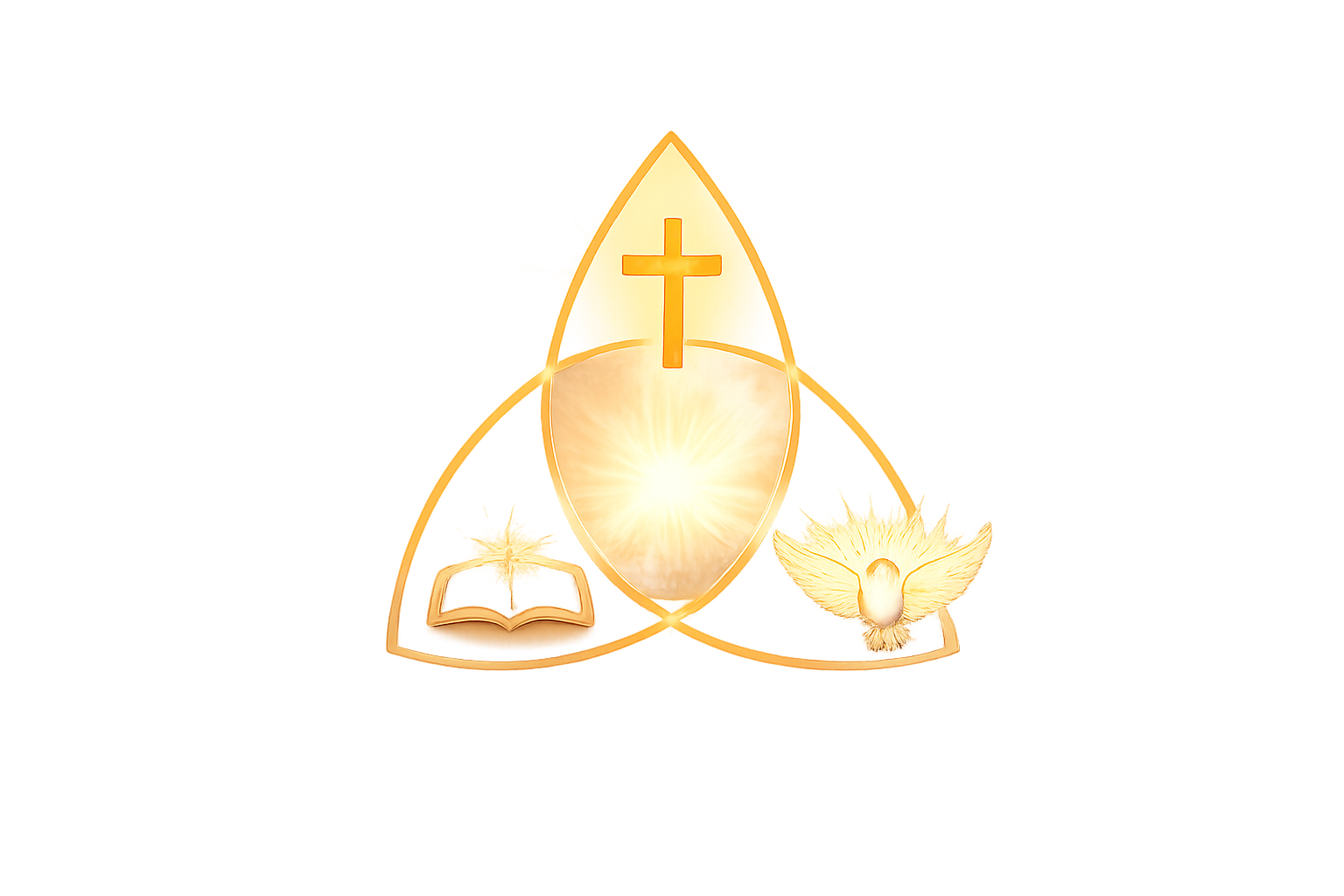
Who Is God?
As we grow, we hear many stories and experiences about who God is and what God has done.
These come to us through our family, teachers, and friends.
We are also introduced to the Holy Bible, which tells us who God is.
In Sacred Scripture, God reveals Himself.
God is…
In the Old Testament, we see God as having many titles, based on the roles He played, for example, Sabaoth, Lord of the armies, Rapha, healing and many others.
We are also introduced to the presence of His Spirit and Wisdom is personified in the Book of Wisdom. It is in the New Testament, when Jesus came on earth, that God has been revealed in what the faith of the Church professes, as the Blessed Trinity.
This profession of faith, is best seen and understood in the Creed. The Blessed Trinity is taught as the Father, the Son and the Holy Spirit.
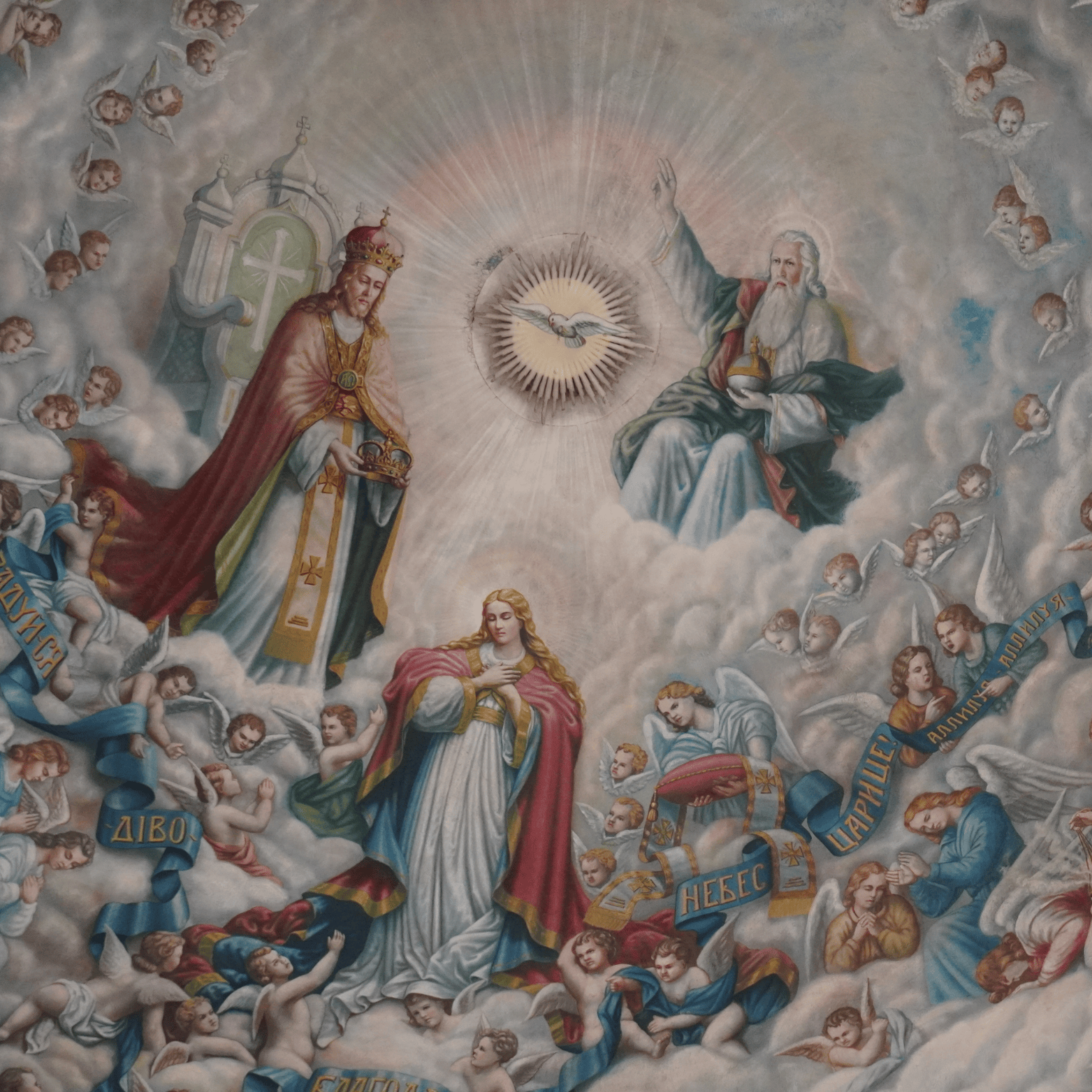
God Revealed as the Trinity

The Father
He is the Creator, the One who brought everything into being by His Word (Gen 1&2).
Jesus portrays Him as a loving and caring person, who wills that we must be saved from our sins and be with Him in heaven. He wants us to build His kingdom on earth, through the Church by love and service to everyone and everything.

The Son
John 3:16, explicitly stated that God so loved the world, he sent his only Son, so that everyone who believes in him may not perish but may have eternal life.
For God sent his Son into the world not to judge the world, but so that through him the world might be saved. Our Lord Jesus Christ was born to be a saviour and through His life, death and resurrection, He won salvation for us and reconciled us to the Father.
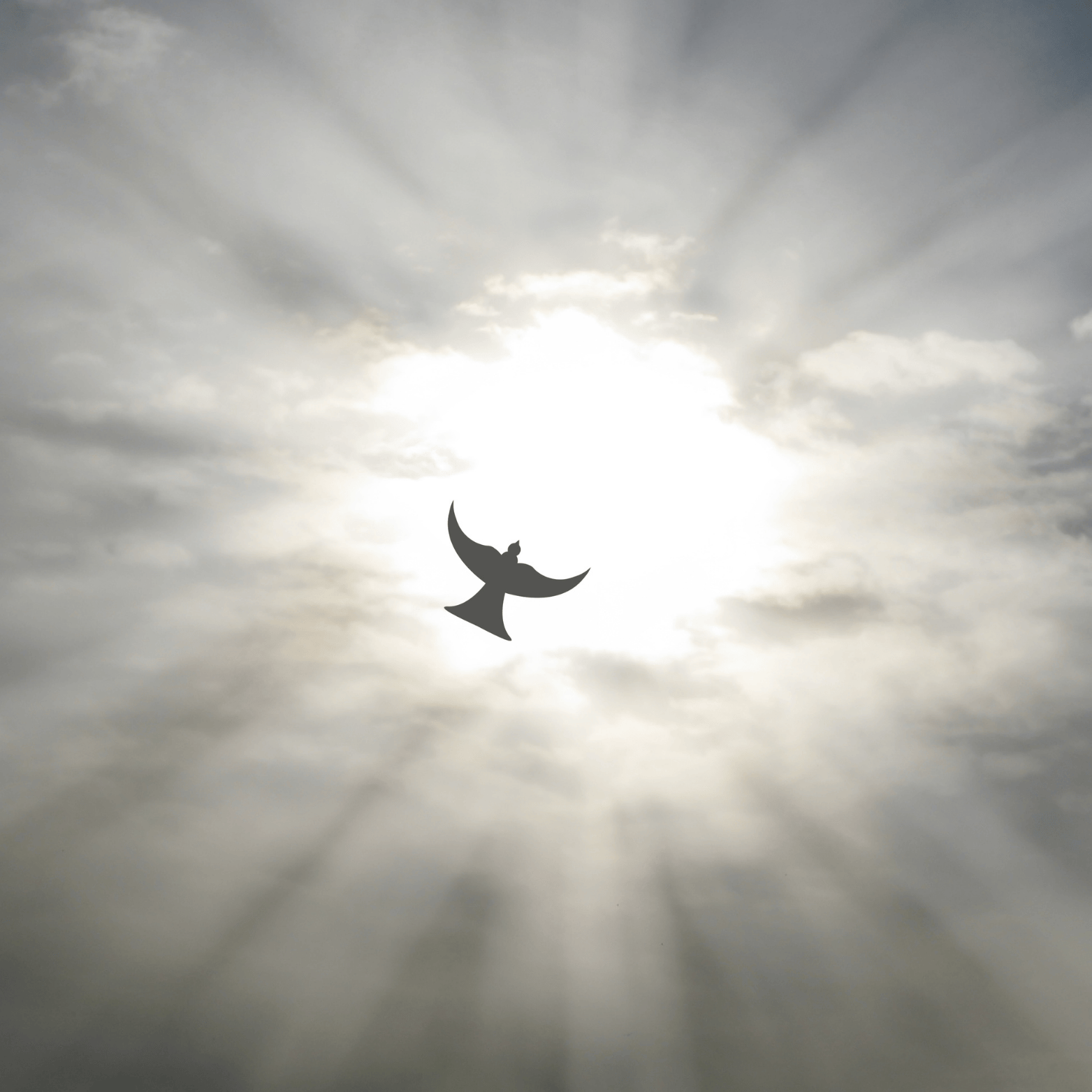
The Holy Spirit
The Creed teaches that the Holy Spirit is the Lord and giver of life, present from creation and revealed at Pentecost.
He proceeds from the Father and the Son, is worshipped and glorified, and has spoken through the Prophets.
He inspires our hearts, guides the mission of Jesus in the Church, preserves the Church from error, and brings us to encounter Christ in the Sacraments and every liturgical celebration.
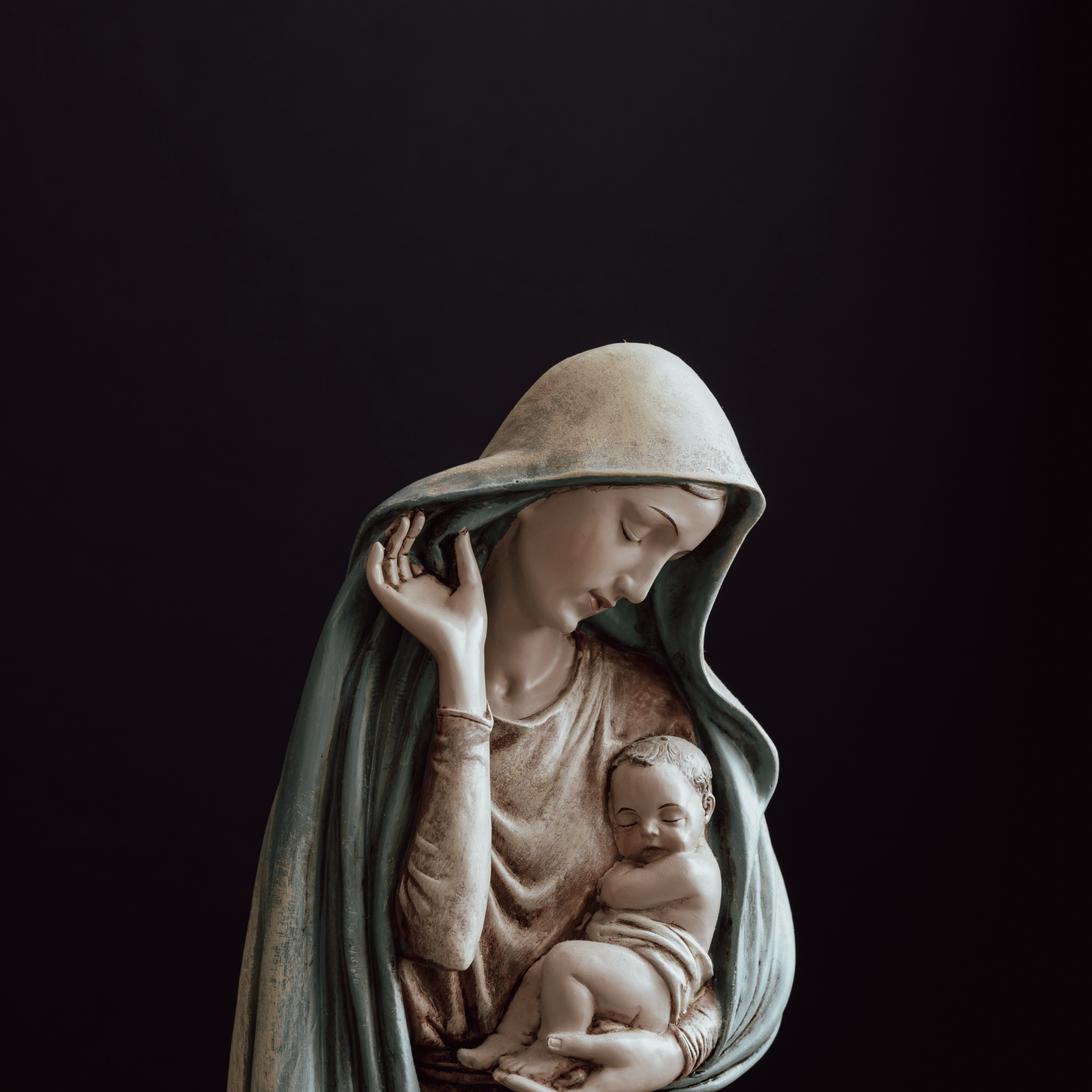
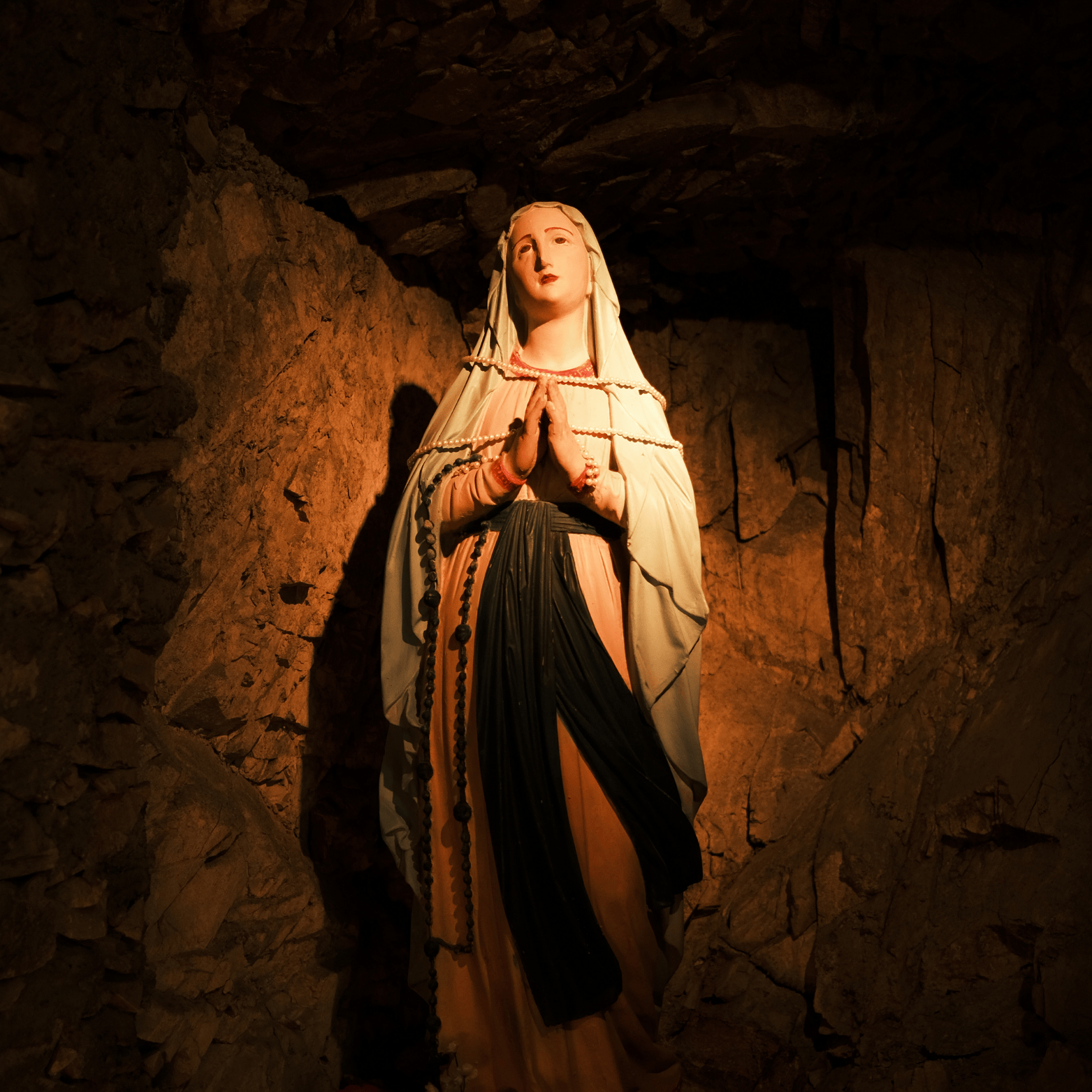
Mary, Mother
The Angel Gabriel appeared to her to ask her to be the mother of Our Lord Jesus Christ. Her saying yes made it so. As we will learn later, that Mary is the Mother of Jesus not only as man, but also of God.
We know she is very charitable and has concern for others, as we see when she visited her cousin Elizabeth and remained with her for three months, helping, until the birth of John the Baptist (Lk 1). At her first meeting, Mary sang God’s Praises in the what we know as the Magnificat.
In the Magnificat we learn that she was educated in Scripture. She showed immense faith in God and loved God with her whole heart.
In the Gospels, we also know that Mary was instrumental in the life of Jesus. She prompted His first miracle at the wedding feast at Cana, where Jesus turned water into wine.
Mary, Intercessor
Mary was not only mother, but also the perfect disciple of Jesus. She knew that Jesus is also her Lord and saviour. She followed Him in her heart physically. She was at the foot of the cross with Jesus, to the last.
Mary stayed with and guided the Apostles until the descent of the Holy Spirit on Pentecost.
Mary remained faithful to the mission of Christ in the Church and is given the title Mother of the Church.
Upon her death, she was assumed bodily into heaven and was crowned Queen of Heaven.
The Church reveres her as, not only a mother, but also a very powerful intercessor. She thus has the title Mediatrix of all graces. Mary encourages us to access these graces from God by participating in the Holy Mass, availing of the Sacrament of Penance and by praying the Holy Rosary, among other things.

The Saints
A Saint is someone who loves God, faces the challenges of living the Christian life and tries to live a good life. However, there are many good persons who have lived lives as examples to us, such as our parents and other significant ones.
Our Creed professes our belief in the Communion of Saints. This means that the Church is one in unity with the Saints in Heaven, the Saints in Purgatory and the Saints here on earth.
In Scripture and over time, the Church has recognised men and women as exemplary and worthy of emulation and thus, proclaimed them as Saints.
Today, there is a process to be adhered in order that the Church proclaims someone to be a Saint. This process starts in the home Parish, then the Diocese(s) in the country. Everything about the life of the individual is put together, testifying to the worthiness of that person. A petition is presented to the Holy Father, the Pope, who in turn sends it to the Congregation for the Causes of Saints to investigate, make determinations and recommendations for the Holy Father to consider. The cause for canonisation is now opened.
In this process, the individual’s cause experiences four stages:
I no longer call you servants… I have called you friends.”
(John 15:15)